
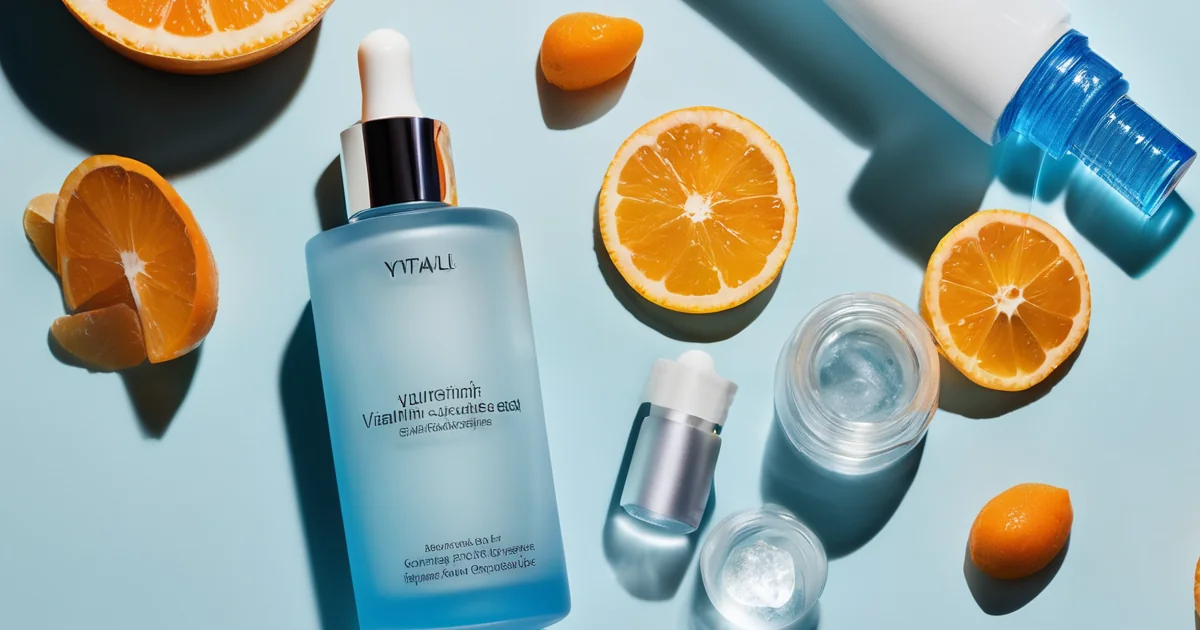
Walk into any pharmacy or scroll through any beauty retailer, and you'll find hyaluronic acid and vitamin C serums side by side, both promising glowing, youthful skin. For someone new to skincare ingredients, the choice between them is genuinely confusing — especially when both are routinely called "must-haves."
The truth is, hyaluronic acid vs vitamin C isn't really the right question. They're not competitors — they're complementary ingredients that work on completely different mechanisms. But understanding what each one actually does will help you prioritize based on your specific skin concerns, your budget, and what your routine is currently missing.
What Is Hyaluronic Acid and What Does It Do?
Hyaluronic acid (HA) is a naturally occurring molecule found in your skin, joints, and connective tissue. Its superpower is water retention — a single molecule of hyaluronic acid can bind and hold up to 1,000 times its weight in water.
In skincare, it functions as a humectant — it draws moisture from the environment (and deeper skin layers) to the surface, keeping skin hydrated, plump, and supple. Unlike oils, which sit on top of the skin and seal in moisture, hyaluronic acid works by attracting and holding water within the skin itself.
What hyaluronic acid does for your skin:
- Deep hydration: Instantly plumps skin by drawing water into skin cells, reducing the appearance of fine lines caused by dehydration
- Barrier support: Well-hydrated skin has a stronger, more resilient skin barrier — reducing sensitivity and irritation
- Improved skin texture: Consistent hydration leads to smoother, more even skin surface over time
- Compatibility: Hyaluronic acid works with every skin type, every skin concern, and virtually every other skincare ingredient — it doesn't conflict with anything
- Immediate results: Unlike most active ingredients, the plumping effect of HA is visible within hours of application
Key fact: As we age, the skin's natural hyaluronic acid production declines significantly. By our 40s, we have roughly half the hyaluronic acid we had at 20 — which contributes significantly to the thinning, dryer, and more lined appearance of aging skin.
Best hyaluronic acid products:
- The Ordinary Hyaluronic Acid 2% + B5 (~$10)
- Neutrogena Hydro Boost Water Gel (~$20)
- L'Oréal Revitalift 1.5% Hyaluronic Acid Serum (~$30)
What Is Vitamin C and What Does It Do?
Vitamin C (ascorbic acid) is a potent antioxidant — meaning it neutralizes free radicals, the unstable molecules generated by UV exposure, pollution, and metabolic processes that cause oxidative damage to skin cells.
In topical form, vitamin C is one of the most studied skincare ingredients in dermatology. It works on multiple pathways simultaneously, which is why it's so consistently effective.
What vitamin C does for your skin:
- Brightening: Inhibits the enzyme tyrosinase, which is responsible for melanin production. Less melanin = fewer dark spots, more even skin tone, and a natural radiance
- Antioxidant protection: Neutralizes free radicals from UV and pollution that would otherwise damage collagen and cellular DNA — making it particularly important to apply in the morning
- Collagen synthesis: Vitamin C is essential for collagen production at the molecular level. Without adequate vitamin C, fibroblasts can't produce stable collagen — making topical application a genuine anti-aging intervention
- Hyperpigmentation fading: Dark spots, post-acne marks, and melasma all respond to consistent vitamin C application over 6–12 weeks
- Enhanced UV protection: Vitamin C doesn't replace SPF, but used underneath sunscreen it measurably amplifies photoprotection
Key fact: Vitamin C is highly unstable in topical form and oxidizes quickly when exposed to air, heat, and light. A good serum should be stored in a dark bottle, kept away from heat, and discarded when it turns yellow or orange.
Best vitamin C serums:
- TruSkin Vitamin C Serum (~$20)
- L'Oréal Revitalift 12% Pure Vitamin C (~$30)
- SkinCeuticals C E Ferulic (~$182)
Hyaluronic Acid vs Vitamin C: Key Differences
| Feature | Hyaluronic Acid | Vitamin C |
|---|---|---|
| Primary function | Hydration | Antioxidant / Brightening |
| Mechanism | Binds and holds water in skin | Neutralizes free radicals, inhibits melanin |
| Skin concerns addressed | Dryness, dehydration, fine lines from dehydration | Dark spots, dullness, collagen loss, UV damage |
| Time to see results | Hours (plumping effect) | 4–12 weeks (brightening, anti-aging) |
| Best time to apply | AM or PM (both work) | Morning (for daytime antioxidant protection) |
| Skin type compatibility | All skin types | All skin types (sensitivity varies by form) |
| Stability | Very stable | Unstable — requires careful formulation and storage |
| Price range | $10–$50 | $18–$182 |
| Pairs well with | Everything | Vitamin E, ferulic acid, SPF |
| Avoid combining with | Nothing significant | Retinol (same routine), high-pH niacinamide |
Can You Use Both Together?
Yes — and you should. Hyaluronic acid and vitamin C are one of the most effective skincare combinations you can build. They're not competing; they're complementary.
Vitamin C addresses what your skin looks like — brightening dark spots, boosting collagen, and defending against environmental damage. Hyaluronic acid addresses how your skin feels and functions — keeping it hydrated, plumped, and resilient enough to tolerate and benefit from active ingredients like vitamin C.
How to Layer Them Correctly
The key is application order. Always apply thinner, lighter products first.
Morning routine with both:
1. Cleanser
2. Vitamin C serum (thinner, water-based)
3. Hyaluronic acid serum (slightly thicker, apply while skin is still slightly damp for best effect)
4. Moisturizer
5. SPF
Some vitamin C serums already contain hyaluronic acid — SkinCeuticals H.A. Intensifier Serum, for example, combines both. If your vitamin C serum already includes HA (check the ingredient list for "sodium hyaluronate"), you may not need a separate HA step.
Do You Need Both Immediately?
If you're new to serums, start with one. Hyaluronic acid is the easier starting point — it's compatible with everything, has no irritation risk, and delivers visible results quickly. Once your routine is established, add a vitamin C serum as your second step.
Which Should YOU Choose Based on Your Skin Concern?
Choose hyaluronic acid if:
- Your main concern is dryness, dehydration, or tight-feeling skin
- Fine lines appear worse by the end of the day or in dry weather (a sign of dehydration)
- You have sensitive, reactive skin and want an active ingredient with zero irritation risk
- You're completely new to skincare serums and want to start simple
- You live in a dry or cold climate
Choose vitamin C if:
- You have dark spots, post-acne marks, or uneven skin tone
- Your skin looks dull or lacks radiance
- You want anti-aging protection from daily UV and pollution exposure
- You're in your 30s+ and want to build collagen support into your routine
- You wear SPF daily and want to amplify its protection
Choose both if:
- You're past the beginner stage with serums
- You have multiple concerns: dryness and dark spots, or dullness and dehydration
- You want a comprehensive morning routine that covers hydration, brightening, and protection simultaneously
Best Products for Each
Best Hyaluronic Acid Serums
The Ordinary Hyaluronic Acid 2% + B5 — ~$10
A simple, effective HA serum with multi-weight molecules that hydrate at different skin depths. Contains panthenol (vitamin B5) for added barrier support. Best budget pick.
Neutrogena Hydro Boost Water Gel — ~$20
More of a gel moisturizer than a serum, but the delivery system is excellent for oily and combination skin. Lightweight, non-greasy, and visibly plumping.
SkinCeuticals H.A. Intensifier — ~$108
Clinical-grade HA serum that also contains proxylane and licorice root extract for skin structure support and brightening. A premium all-in-one hydration treatment.
Best Vitamin C Serums
TruSkin Vitamin C Serum — ~$20
Best budget vitamin C serum. Stable formula with 20% vitamin C, ferulic acid, hyaluronic acid, and vitamin E — covers all bases at an accessible price.
Paula's Choice C15 Super Booster — ~$49
15% L-ascorbic acid + vitamin E + ferulic acid + peptides. The add of peptides gives this serum anti-aging benefits beyond pure brightening.
SkinCeuticals C E Ferulic — ~$182
The benchmark. Proven by peer-reviewed clinical studies to reduce fine lines and wrinkles while providing exceptional antioxidant protection. The gold standard.
Frequently Asked Questions
Q: What is the best hyaluronic acid serum for dry skin over 40?
A: For dry skin over 40, look for a serum that combines multiple molecular weights of hyaluronic acid — macro molecules that hydrate the surface and micro molecules that penetrate deeper. SkinCeuticals H.A. Intensifier is the premium choice. The Ordinary Hyaluronic Acid 2% + B5 is the best budget option. Apply to damp skin (not dry) and immediately follow with a rich moisturizer to lock the hydration in — hyaluronic acid needs moisture already in the skin to do its job.
Q: Should I use hyaluronic acid or vitamin C first?
A: Apply vitamin C first, then hyaluronic acid. Both are typically water-based serums, but vitamin C serums are usually thinner in consistency and require direct contact with skin for proper absorption. Apply vitamin C, let it absorb for 30–60 seconds, then apply your hyaluronic acid serum on top. If your skin is completely dry, lightly mist with water before applying HA — it needs something to pull into the skin.
Q: Can hyaluronic acid cause breakouts?
A: No — hyaluronic acid is non-comedogenic and doesn't clog pores. It's one of the most universally tolerated skincare ingredients available. If you're breaking out after starting an HA serum, check the other ingredients in the formula (some HA serums contain oils or extracts that may not suit your skin).
Q: Does vitamin C really brighten skin, or is it just marketing?
A: It's not just marketing. The mechanism is well-documented: L-ascorbic acid inhibits tyrosinase, the enzyme that triggers melanin production, at the molecular level. Multiple randomized controlled trials have demonstrated statistically significant reduction in hyperpigmentation markers after 8–12 weeks of consistent topical vitamin C application. The brightening effect is real — but it requires a well-formulated serum at an effective concentration (10–20% for L-ascorbic acid) used consistently every morning.
Conclusion
Hyaluronic acid and vitamin C serve completely different purposes — and both are genuinely worth having in your routine. Hyaluronic acid keeps skin hydrated, plumped, and resilient. Vitamin C brightens, protects, and builds collagen. Together, they cover two of the most important bases in any anti-aging morning routine.
If you're choosing just one to start: new to skincare or dealing primarily with dryness — start with hyaluronic acid. Dealing with dark spots, dullness, or the first signs of aging — start with vitamin C.
And once your skin is ready for both, apply them in the right order — vitamin C first, HA second — and follow with SPF. That combination alone, done consistently, puts you ahead of most skincare routines you'll ever come across.
Want to take it further? Read our beginner skincare routine guide and explore our top-rated SPFs to pair with your vitamin C serum.
0 Comments
Leave a Comment
Your email won't be published. Comments are moderated.
No comments yet. Be the first to share your thoughts!