
Disclosure: This post contains affiliate links. We may earn a small commission if you purchase through our links, at no extra cost to you. We only recommend products we've thoroughly researched.
Face oils have gone from luxury indulgence to dermatologist-recommended routine staples in the past decade — and the best face oil for glow is no longer an afterthought but a legitimate skincare tool. The right face oil seals in your entire routine's hydration, replenishes skin lipids that even the best moisturizers can't fully replicate, and delivers the luminous, dewy finish that no highlighter can convincingly fake.
But not all face oils work the same way, suit the same skin types, or offer the same ingredients. This guide ranks the 10 best face oils for glowing skin in 2026 by skin type, ingredient efficacy, and real-world results.
How Face Oils Work (And Why They're Different From Moisturizer)
A common misconception: face oils and moisturizers do the same job. They don't.
Moisturizers are typically water-based emulsions containing humectants (hyaluronic acid, glycerin — draw moisture to skin), emollients (fatty acids, ceramides — fill gaps in the skin barrier), and sometimes occlusives (shea butter, beeswax — seal moisture in).
Face oils are pure lipid — no water, no emulsifiers. They work as:
- Occlusives: Create a lipid layer over the skin that slows transepidermal water loss — particularly important overnight
- Emollients: Fatty acid profiles in natural oils mirror the skin's own lipids, directly replenishing what's lost through aging, UV exposure, and harsh products
- Antioxidants: Many botanical oils (rosehip, argan, marula) contain vitamin E, vitamin A, and polyphenols that neutralize free radical damage
- Delivery systems: Some oils enhance the penetration of preceding water-based serums
The correct position for face oil in any routine is last — after all water-based products and moisturizer, as the final PM step. Applying oil before water-based products creates a barrier that prevents them from absorbing.
Does Face Oil Cause Breakouts?
This is the most common fear, and the answer depends entirely on the oil's comedogenic rating (its tendency to clog pores).
Oils high in oleic acid (coconut oil, cocoa butter, olive oil) have high comedogenic ratings and can cause breakouts — particularly for acne-prone or oily skin.
Oils high in linoleic acid (rosehip, hemp seed, evening primrose) are low-comedogenic and often beneficial for acne-prone skin — research suggests acne-prone skin is actually deficient in linoleic acid.
Squalane has a comedogenic rating of 0 — it cannot clog pores and is the universal safe option for all skin types.
The 10 Best Face Oils for Glowing Skin
1. Best Overall: Biossance 100% Squalane Oil — ~$34
Key benefits: Non-comedogenic, universally tolerated, structurally identical to skin's natural sebum
Why it wins overall: Squalane is the most universally recommended face oil in dermatology. It's made from plant-derived sugarcane (or olive), has a comedogenic rating of 0, is non-greasy, and mimics the skin's own sebum so effectively that even oily skin accepts it without breakouts. Biossance uses 100% phytosqualane — sustainably derived, stable, and fragrance-free.
Best for: Every skin type — the single safest face oil recommendation
Price: ~$34
2. Best for Anti-Aging: Trilogy Certified Organic Rosehip Oil — ~$25
Key benefits: High in linoleic acid, beta-carotene, trans-retinoic acid (natural retinoid), vitamin C
Why it's the anti-aging pick: Rosehip oil's naturally occurring trans-retinoic acid gives it mild retinoid-like properties for cell turnover and pigmentation — without the irritation of synthetic retinol. The high linoleic acid content replenishes the exact lipid deficiency common in aging and acne-prone skin. Trilogy is cold-pressed and certified organic, preserving the bioactive content.
Best for: Anti-aging, hyperpigmentation, dry skin, mature skin
Price: ~$25
3. Best Luxury: Sunday Riley Luna Sleeping Night Oil — ~$105
Key ingredients: Blue tansy, retinol (0.1%), vitamin C ester, German chamomile
Why it justifies the price: Luna combines the anti-aging power of 0.1% retinol with blue tansy (a potent anti-inflammatory that calms retinol irritation), making this the most elegant retinol-in-oil format available. The blue color from tansy is beautiful and distinctive. Suitable for first-time retinol users who need the actives in a gentler delivery vehicle.
Best for: Anti-aging with retinol, retinol beginners, dry to normal skin
Price: ~$105
4. Best for Dry Skin: Drunk Elephant Virgin Marula Luxury Face Oil — ~$72
Key benefits: Omega-6 and omega-9 fatty acids, antioxidants, lightweight texture
Why it suits dry skin: Marula oil is a lightweight, fast-absorbing oil with an ideal balance of oleic and linoleic acids — nourishing enough for very dry skin without the heaviness of richer oils. The cold-pressed marula from Drunk Elephant is fragrance-free and particularly effective at restoring suppleness to dry, dull skin.
Best for: Dry skin, flaky skin, dullness
Price: ~$72
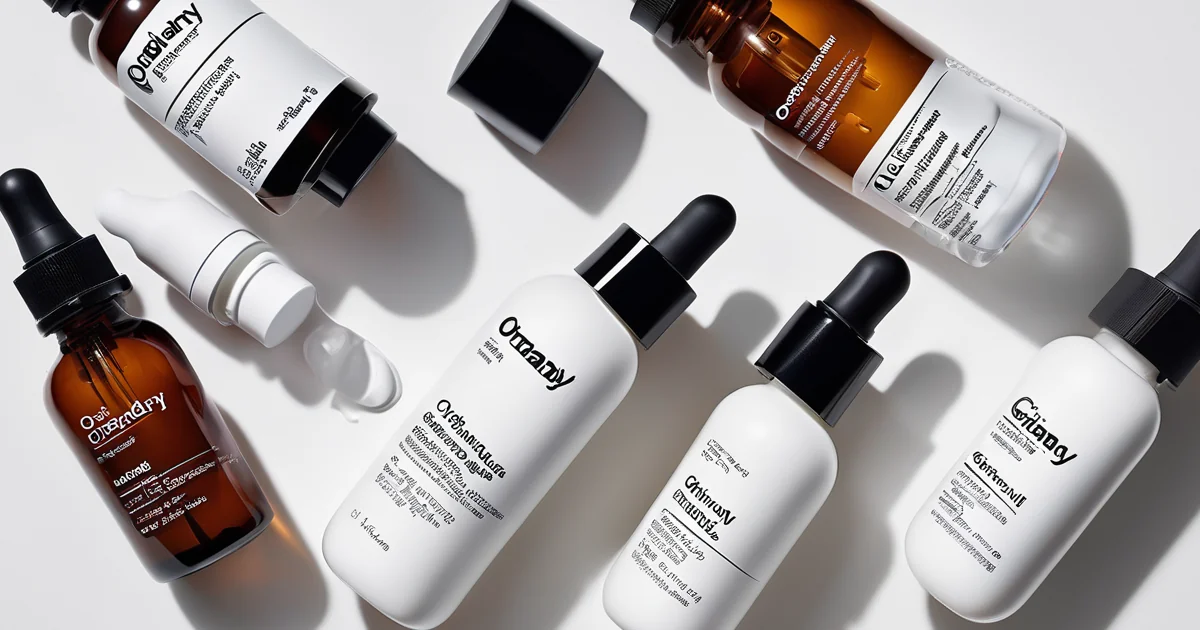
5. Best for Oily/Acne-Prone Skin: The Ordinary 100% Cold-Pressed Virgin Marula Oil — ~$9
Key benefits: Lightweight, non-comedogenic, high in oleic acid
Why oily skin can use it: The counter-intuitive reality of oily skin: it often lacks the right lipids (particularly linoleic acid) even when overproducing sebum. Marula oil at a non-comedogenic level can normalize sebum production over time. The Ordinary's marula is cold-pressed and fragrance-free at a price that makes testing easy without commitment.
Best for: Oily, combination, acne-prone skin willing to experiment with facial oils
Price: ~$9
6. Best for Hyperpigmentation: Herbivore Lapis Facial Oil — ~$72
Key ingredients: Blue tansy, squalane, bisabolol, frankincense
Why it fades dark spots: Blue tansy contains azulene, a potent anti-inflammatory that reduces post-inflammatory hyperpigmentation. Combined with frankincense (known for skin regeneration properties) and squalane as the carrier, Lapis targets uneven skin tone while deeply nourishing. The deep blue color from azulene is stunning and functional.
Best for: Uneven skin tone, hyperpigmentation, redness, acne marks
Price: ~$72
7. Best Budget: The Ordinary 100% Plant-Derived Squalane — ~$9
Key benefits: 100% pure squalane, non-comedogenic, fragrance-free
Why it's the best budget oil: Pure squalane for the price of a coffee. No filler ingredients, no fragrance, no carrier oils — just the single most universally recommended face oil ingredient. Identical in function to Biossance at a fraction of the cost, though the Biossance version uses a slightly more refined process.
Best for: Every skin type — budget entry into face oils
Price: ~$9
8. Best for Sensitive Skin: Pai Skincare Rosehip BioRegenerate Oil — ~$45
Key benefits: CO2-extracted rosehip, seed and fruit blend, preservative-free, certified organic
Why it suits sensitive skin: CO2 extraction preserves more bioactive compounds than cold-pressing while producing a more stable, less irritation-prone oil. Pai's rosehip blend uses both seed and fruit extract for a more complete fatty acid profile. Certified organic, fragrance-free, and tested on sensitive and rosacea-prone skin.
Best for: Sensitive, reactive, rosacea-prone skin
Price: ~$45
9. Best Multi-Use: Kiehl's Midnight Recovery Concentrate — ~$49
Key ingredients: Lavender essential oil, evening primrose oil, squalane
Why it's versatile: One of the most established overnight face oils in premium skincare. Evening primrose oil is high in gamma-linolenic acid (GLA), an omega-6 fatty acid with anti-inflammatory properties beneficial for dry and sensitive skin. The lavender fragrance is the one potential downside for very reactive skin.
Best for: Normal to dry skin, overnight repair, people who enjoy a spa-like application experience
Price: ~$49
10. Best K-Beauty Oil: COSRX Ultimate Nourishing Rice Overnight Spa Mask (Oil-infused) — ~$25
Key ingredients: Rice water, niacinamide, squalane
Why K-beauty approaches it differently: Korean beauty often combines oil with other skin-beneficial ingredients rather than using pure single oils. The rice water in this formula has natural brightening properties (inositol, minerals), while niacinamide addresses pigmentation — making this a hybrid overnight treatment that delivers oil's occlusive benefits alongside active skincare.
Best for: Brightening, dehydrated skin, combination skin, glass skin routine
Price: ~$25
Comparison Table
| Face Oil | Best For | Key Ingredient | Comedogenic | Price |
|---|---|---|---|---|
| Biossance Squalane | All skin types | Pure squalane | 0 | ~$34 |
| Trilogy Rosehip | Anti-aging, pigmentation | Rosehip + natural retinoid | Low | ~$25 |
| Sunday Riley Luna | Retinol introduction | Retinol 0.1% + blue tansy | Low | ~$105 |
| Drunk Elephant Marula | Dry skin, dullness | Marula fatty acids | Low | ~$72 |
| The Ordinary Marula | Oily/acne skin | Budget marula | Low | ~$9 |
| Herbivore Lapis | Hyperpigmentation | Blue tansy + frankincense | Low | ~$72 |
| The Ordinary Squalane | Budget, all skin types | Pure squalane | 0 | ~$9 |
| Pai Rosehip | Sensitive, rosacea | CO2 rosehip | Low | ~$45 |
| Kiehl's Midnight Recovery | Normal-dry, overnight | Evening primrose + lavender | Low | ~$49 |
| COSRX Rice Mask | Brightening, K-beauty | Rice water + niacinamide | Low | ~$25 |
How to Apply Face Oil Correctly
- Apply last in your PM routine — after all water-based products and moisturizer
- Warm 2–4 drops between palms — activates the oil and ensures even, gentle coverage
- Press into skin, don't rub — pressing prevents drag on the skin and distributes evenly
- Focus on areas needing most nourishment — cheeks, temples, and areas prone to dryness
- Do not apply to eyelids — the orbital skin is too delicate for most oils; use a dedicated eye cream instead
- Allow to absorb before pillow contact — 2–3 minutes is sufficient
In the morning: Skip the face oil in favour of SPF as your final sealing step — oils can interfere with sunscreen application and create an overly dewy canvas that affects makeup application.
Face Oils to Avoid
Coconut oil for the face: Despite widespread popularity, coconut oil has a high comedogenic rating and causes significant breakouts in acne-prone skin. Its benefits are real but better applied to hair and body rather than the face.
Mineral oil (as a face oil): A by-product of petroleum processing, mineral oil is non-comedogenic and provides occlusive benefit — but it doesn't deliver the fatty acid replenishment of botanical oils. Better as an ingredient in a moisturizer than as a standalone face oil.
Any facial oil with fragrance (for sensitive skin): Essential oils like rose, jasmine, and bergamot in high concentrations cause contact sensitization in reactive skin. Choose fragrance-free options if you have any history of skin sensitivity.
Frequently Asked Questions
Q: Should I use face oil before or after moisturizer?
A: Face oil should always go after moisturizer — as the final step in your PM routine. Oil creates a lipid barrier on the skin surface that prevents water-based products from absorbing if applied first. The correct order is: serum → moisturizer → face oil. The oil seals in everything underneath, preventing transepidermal water loss while you sleep.
Q: Can oily skin use face oil?
A: Yes — but with the right oil. Oily skin actually benefits from non-comedogenic oils high in linoleic acid (rosehip, hemp seed, squalane) because oily skin is often deficient in linoleic acid despite overproducing sebum. The right oil can help normalize sebum production over time. Avoid coconut oil and any high-oleic-acid oils. Squalane (comedogenic rating 0) is the safest starting point for oily skin.
Q: What is the best face oil for anti-aging?
A: Rosehip oil (particularly cold-pressed varieties) is the most effective botanical anti-aging oil — its naturally occurring trans-retinoic acid gives it mild retinoid properties, and its high linoleic acid content replenishes skin lipids. For a more active anti-aging oil, Sunday Riley Luna contains 0.1% retinol in an oil base — genuine anti-aging results with reduced irritation compared to water-based retinol. Pair either choice with a peptide serum for comprehensive collagen support.
Q: How long does it take for face oil to show results?
A: Immediate results (plumpness, glow, comfort) are visible the next morning after first use, especially for dry or dehydrated skin. Longer-term benefits — hyperpigmentation fading from rosehip, anti-aging improvements from retinol oils — require 8–12 weeks of consistent nightly use. Face oils are a cumulative tool: the barrier-building and lipid-replenishment benefits compound over time rather than delivering dramatic overnight transformation.
Conclusion
The best face oil for glow depends on your skin's specific needs — but the universal answer is squalane if you're unsure where to start. It's non-comedogenic for every skin type, affordable, and delivers the luminous, sealed-in hydration that defines glowing skin. Layer it as the final step over your PM routine and give it 4 weeks to see the morning glow that makes face oils genuinely indispensable.
For budget shoppers: The Ordinary Squalane at $9 is functionally identical to options costing 5× more. For those with hyperpigmentation or anti-aging goals: Trilogy Rosehip at $25 delivers meaningful active benefits alongside the glowing-skin basics.
Read our full glass skin routine guide and best moisturizers for dry skin to complete your glow-focused routine.
0 Comments
Leave a Comment
Your email won't be published. Comments are moderated.
No comments yet. Be the first to share your thoughts!