
Disclosure: This post contains affiliate links. We may earn a small commission if you purchase through our links, at no extra cost to you. We only recommend products we've thoroughly researched.
Hair porosity is the most under-discussed variable in hair care — and the most important. It explains why two people with the same hair type have completely different responses to the same products. It explains why your hair might feel coated and weighed-down by oils that work beautifully for someone else. It explains why protein treatments either transform your hair or make it worse.
Understanding your hair's porosity takes 5 minutes and changes how you select every product in your hair care routine.
What Is Hair Porosity?
Hair porosity refers to the hair shaft's ability to absorb and retain moisture. It's determined by the condition of the cuticle — the outermost layer of each hair strand, made of overlapping scale-like cells.
Low porosity: Cuticle scales lie flat and tightly packed. Water and products have difficulty penetrating the shaft — they bead up and slide off rather than absorbing.
Medium/Normal porosity: Cuticle scales are slightly raised, allowing moisture to enter and exit at a balanced rate. Products absorb readily and moisture retention is healthy.
High porosity: Cuticle scales are raised, lifted, or damaged (from chemical processing, heat styling, mechanical damage), creating gaps and spaces. Moisture enters easily but escapes just as quickly — hair absorbs products rapidly but loses moisture fast, leading to dryness, frizz, and breakage.
Porosity is primarily determined by genetics — the natural structure of your cuticle is largely inherited. However, chemical processing (bleaching, coloring, relaxing), heat styling above 300°F / 150°C, and mechanical damage (rough brushing, tight elastic bands) permanently raises the cuticle, shifting hair toward higher porosity.
How to Test Your Hair Porosity
The Float Test (Most Widely Used)
- Take a clean strand of hair (no product residue) — use hair that has shed naturally or a clean, washed strand
- Drop it into a glass of room-temperature water
- Watch for 2–4 minutes
Results:
- Floats on surface: Low porosity (cuticle tight, water doesn't penetrate)
- Sinks slowly (middle of glass): Normal/medium porosity
- Sinks quickly to bottom: High porosity (water penetrates readily)
Limitation: The float test has accuracy concerns — hair density and product buildup can affect results. It's a useful starting point but should be combined with the feel test.
The Feel Test (More Reliable)
Run a clean hair strand between your index finger and thumb, moving from tip toward root (against the direction of cuticle scales):
- Smooth with no resistance: Low porosity (tightly closed cuticle)
- Slight texture, some resistance: Normal/medium porosity
- Rough, bumpy, catches: High porosity (raised or damaged cuticle)
The Slip Test
After washing, how does your hair feel while wet with conditioner:
- Product sits on top, doesn't absorb easily, hair feels slippery: Low porosity
- Conditioner absorbs at normal rate: Normal/medium porosity
- Hair absorbs product immediately, wants more product: High porosity
Low Porosity Hair: Characteristics and Care
What it looks and feels like
- Takes very long to get fully wet in the shower
- Conditioner and oils sit on top of hair rather than absorbing
- Products build up quickly, leaving hair feeling heavy and coated
- Dries slowly (because water doesn't penetrate easily)
- Resistant to color treatments and chemical processing (cuticle doesn't allow penetration)
- When it's healthy and hydrated: very shiny (smooth cuticle reflects light uniformly)
The challenge
Getting moisture IN. The sealed cuticle that makes low porosity hair naturally protective also makes it difficult to introduce moisture and nutrients.
Low Porosity Hair Care Rules
Use heat to open the cuticle during conditioning: Applying conditioner under a heated cap, shower cap with a warm towel over it, or allowing conditioner to sit while in a warm shower opens the cuticle sufficiently for moisture to penetrate. Without heat, conditioner may coat the outside without penetrating.
Use lighter products: Heavy oils (coconut oil, castor oil, shea butter) are particularly prone to buildup on low porosity hair — they sit on top of the closed cuticle and accumulate. Use lightweight oils: argan oil, grapeseed oil, jojoba oil.
Clarify regularly: Product buildup is a significant problem for low porosity hair. Monthly clarifying shampoo removes accumulated product that reduces hydration penetration. Biolage R.A.W. Scalp Care Anti Dandruff Shampoo or Neutrogena Anti-Residue Shampoo work for periodic clarifying.
Humectants work well: Glycerin, honey, aloe vera attract moisture from the air to the hair surface — particularly effective for low porosity hair because they work on the surface rather than requiring cuticle penetration.
Best products for low porosity hair:
- Conditioner: Giovanni 2Chic Ultra-Repair Conditioner (~$10) — lightweight, rinses cleanly
- Leave-in: Aunt Jackie's Knot on My Watch Instant Detangling Therapy (~$10) — lightweight water-based formula
- Oil: Argan oil or grapeseed oil (applied sparingly to damp hair)
- Styler: Curl Smith Curl Defining Styling Soufflé — lightweight, no heavy butters
High Porosity Hair: Characteristics and Care
What it looks and feels like
- Gets wet immediately (water absorbs instantly)
- Absorbs products quickly
- Dries very fast — often too fast
- Frizzy, especially in humidity (open cuticle absorbs ambient moisture unevenly)
- Tangles easily
- Prone to breakage
- Hair looks dull despite conditioning (rough cuticle scatters light)
- Color and chemical treatments absorb easily (sometimes too easily — can become over-processed)
The challenge
Moisture retention — water and products absorb quickly but escape just as fast through the open cuticle.
High Porosity Hair Care Rules
Protein treatments: Hydrolyzed proteins (keratin, wheat, silk) temporarily fill in the gaps and damage sites in the cuticle, reducing moisture loss and improving structural integrity. High porosity hair benefits from weekly or bi-weekly protein treatments. Olaplex No.3, Aphogee Two-Minute Keratin Reconstructor, or Briogeo Don't Despair, Repair! Deep Conditioning Mask.
The LCO method (Liquid-Cream-Oil) or LOC (Liquid-Oil-Cream):
Apply layers in this order after washing:
1. Liquid (leave-in conditioner or water) — moisture layer
2. Cream (curl cream or moisturizer) — seals moisture in
3. Oil (sealing oil) — final barrier to reduce moisture loss
This layering approach compensates for high porosity's rapid moisture loss by sealing each layer before the next is applied.
Use heavier oils: Where low porosity hair is overwhelmed by heavy oils, high porosity hair benefits from them — castor oil, coconut oil, and shea butter create a more effective seal over the open cuticle than lightweight oils.
Rinse with cold water: Cold water flattens the cuticle slightly after washing, reducing the open cuticle that causes rapid moisture loss.
Avoid heat styling: Heat further damages and raises an already-elevated cuticle. If heat styling is necessary, use heat protectant and the lowest effective temperature.
Best products for high porosity hair:
- Protein treatment: Aphogee Two-Minute Keratin Reconstructor (~$14) — bi-weekly use
- Conditioner: Mielle Organics Babassu Oil & Mint Deep Conditioner (~$12) — rich, strengthening
- Leave-in: Kinky-Curly Knot Today Leave-In/Detangler (~$14)
- Sealant oil: Jamaican Black Castor Oil (~$10) — seals moisture in high porosity hair effectively
- Styler: Ecoslay Orange Marmalade Gel — heavy enough to seal high porosity curls
Normal/Medium Porosity Hair: Care
Normal porosity hair is the least complicated to maintain — products absorb at a natural rate, moisture retention is healthy, and both lightweight and moderate-weight products work well. The priority: don't damage what's working.
- Avoid over-processing (limit bleaching and high-heat styling)
- Balance protein and moisture — neither pure moisture nor excessive protein
- Regular deep conditioning (weekly or bi-weekly) maintains the healthy cuticle state
- Any oil weight works — lightweight for oilier scalps, heavier for drier
Hair Porosity and Common Issues
| Issue | Low Porosity Cause | High Porosity Cause |
|---|---|---|
| Dryness | Moisture can't get in | Moisture leaves too fast |
| Frizz | Product buildup | Open cuticle absorbs humidity |
| Breakage | Product-coated weak spots | Open cuticle, reduced structural integrity |
| Dull hair | Product buildup | Rough cuticle scatters light |
| Slow to dry | Water doesn't penetrate | — |
| Fast to dry | — | Water leaves as fast as it enters |
Frequently Asked Questions
Q: Can you change your hair porosity?
A: Genetically low porosity hair will remain structurally low porosity — you can't permanently change the basic cuticle structure. However, you can temporarily modify the cuticle state: heat opens low porosity cuticle for conditioning; cold water rinses and acidic ingredients (apple cider vinegar rinse, acidic conditioners) close high porosity cuticles temporarily. Chemical damage permanently raises porosity — avoiding bleaching and chemical processing prevents shifting from lower to higher porosity.
Q: Does hair porosity change with hair growth?
A: New growth reflects your genetic porosity — typically lower porosity. Older hair (particularly longer hair that has endured years of styling, environmental exposure, and heat) accumulates cuticle damage and trends toward higher porosity over its length. This is why many people have different porosity along different parts of the same strand: lower porosity at the roots (new growth) and higher at the ends (oldest, most exposed).
Q: What is low porosity hair's biggest challenge?
A: Product buildup and moisture penetration. Because the cuticle is tightly closed, products accumulate on the surface rather than absorbing — creating a coating that makes hair feel heavy, greasy, and limp. Regular clarifying and using heat during conditioning sessions address both problems directly.
Q: Does hair porosity affect which shampoo I should use?
A: Yes — high porosity hair should avoid clarifying shampoos except occasionally (they can further strip already-damaged cuticles) and prioritize moisturizing, hydrating shampoos that add back what high porosity hair loses quickly. Low porosity hair benefits from periodic clarifying shampoos (monthly) to remove the product buildup that accumulates on the closed cuticle, and should avoid extremely moisturizing shampoos that add to the surface coating.
Conclusion
Hair porosity is the framework that makes sense of why hair care advice works for some people and fails for others — the same product that transforms high-porosity damaged hair will coat and weigh down low-porosity hair. Identifying your porosity (the float test + feel test together give reliable results) takes 5 minutes and saves months of product experimentation.
Low porosity: lightweight products, heat for conditioning, regular clarifying. High porosity: protein treatments, heavy sealants, LOC method. Normal: maintain what's working and avoid damage.
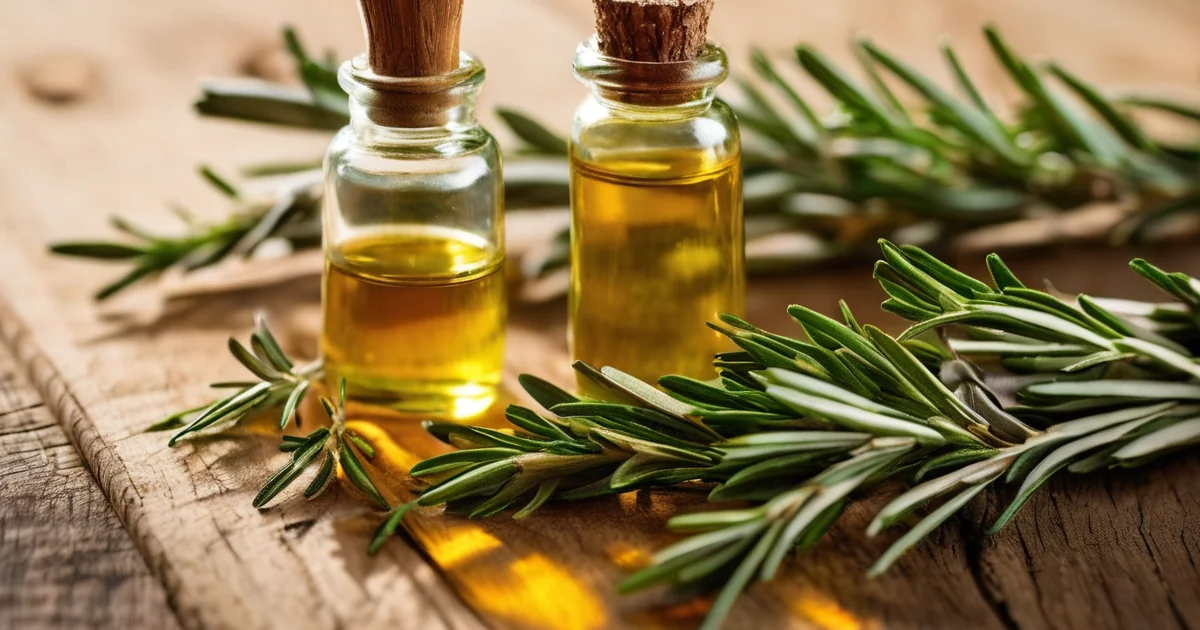
Continue with rosemary oil for hair growth and the complete scalp care routine guide.
0 Comments
Leave a Comment
Your email won't be published. Comments are moderated.
No comments yet. Be the first to share your thoughts!